Cycladic Silence: Finding Stillness in the Outer Aegean
A journey through whitewashed hilltops, ancient olive groves, and the enduring rhythm of Sifnos.
When the high summer winds retreat in mid-October, a miraculous transformation settles across the Cyclades. The speedboats that ferried thousands of day-trippers disperse, leaving behind an ocean as calm as beaten copper and harbors that revert to their ancestral owners: the fishermen repairing orange nylon nets and the bakers stoking wood-fired ovens with wild juniper.
The Autumn Ferry & Disembarkation
Arriving at Kamares harbor in the dusk, the cliff faces rise like monolithic slate walls. Sifnos, historically celebrated for its clay veins and skilled potters, possesses an atmosphere distinctly different from its postcard-famous neighbors. Here, luxury is defined not by infinity pools, but by the quietude of footpaths paved in marble slabs worn smooth by centuries of donkeys.
“To travel slowly in the Aegean is to discover that light is not merely illumination, but a physical material that sculpts stone, olive branch, and spirit alike.”
The Language of Dry Stone & Lime
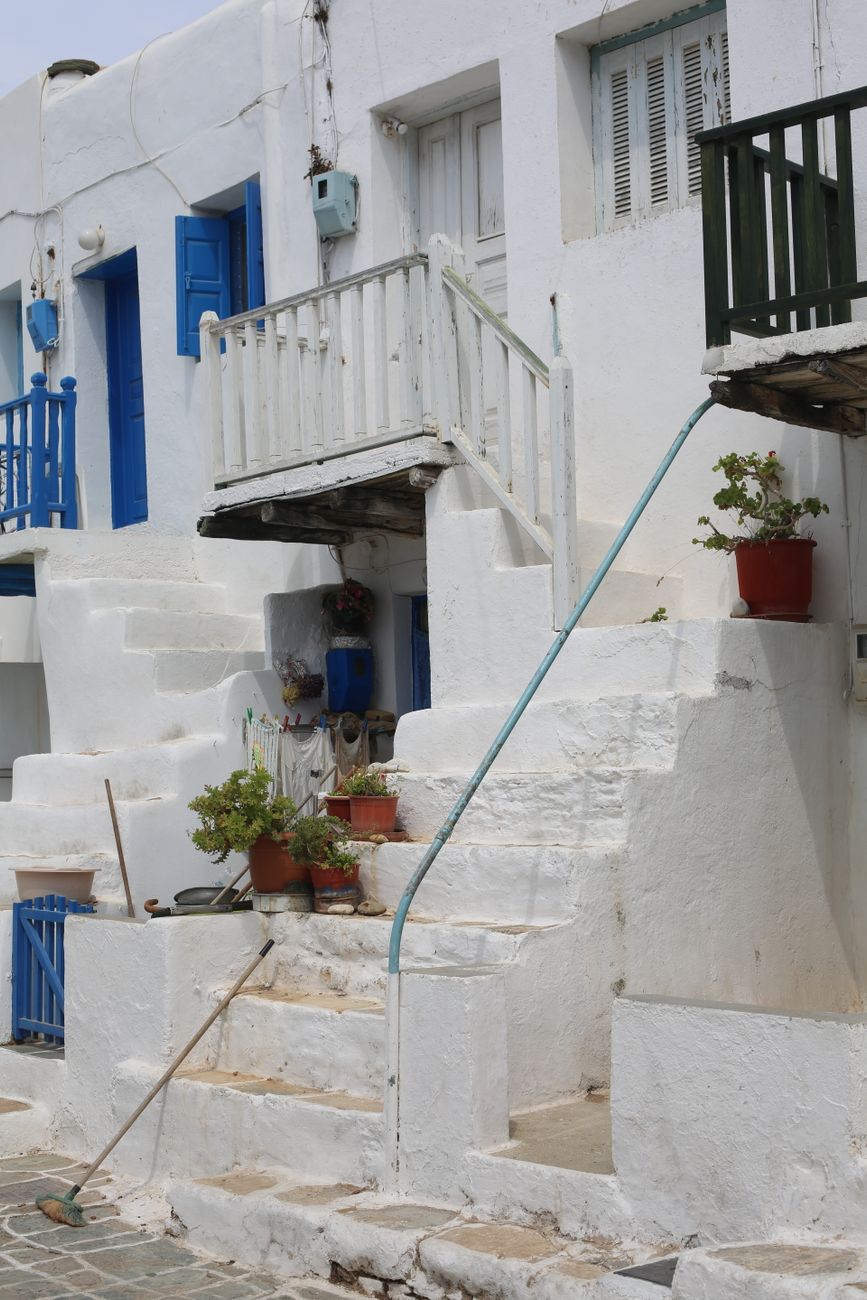
The vernacular architecture of the island was never conceived for visual vanity. Every terrace, known locally as a pezoula, was dry-stacked by hand to catch rainfall and nurture small plots of barley, figs, and chickpeas against the unrelenting north winds. The pristine white limewash, applied before every feast day, serves as natural antiseptic and thermal reflector.
Walking along the trail connecting Apollonia to the fortress village of Kastro, one understands how seamlessly human settlement can blend into topography when necessity and modesty direct the builder's hand.
Earthenware Cooking in Artemonas
In Artemonas, the evening air smells of roasting clay and oregano. Nicholas, a fourth-generation potter whose studio rests in an almond orchard, demonstrates the slow fabrication of the tsikali—the unglazed clay pot in which the famous Sunday dish revithada is simmered for fifteen hours inside communal ovens.
As night falls, dinner is served without fanfare: chickpeas tender as bone marrow, local sheep's cheese drizzled with bitter mountain honey, and a carafe of chilled Savatiano wine. It is a meal that reorders one's priorities and restores an uncomplicated appetite for life.