Kyoto After Twilight: A Guide to Machiya Living
Understanding the acoustic discretion, cedar timbers, and garden courtyards of the old imperial capital.
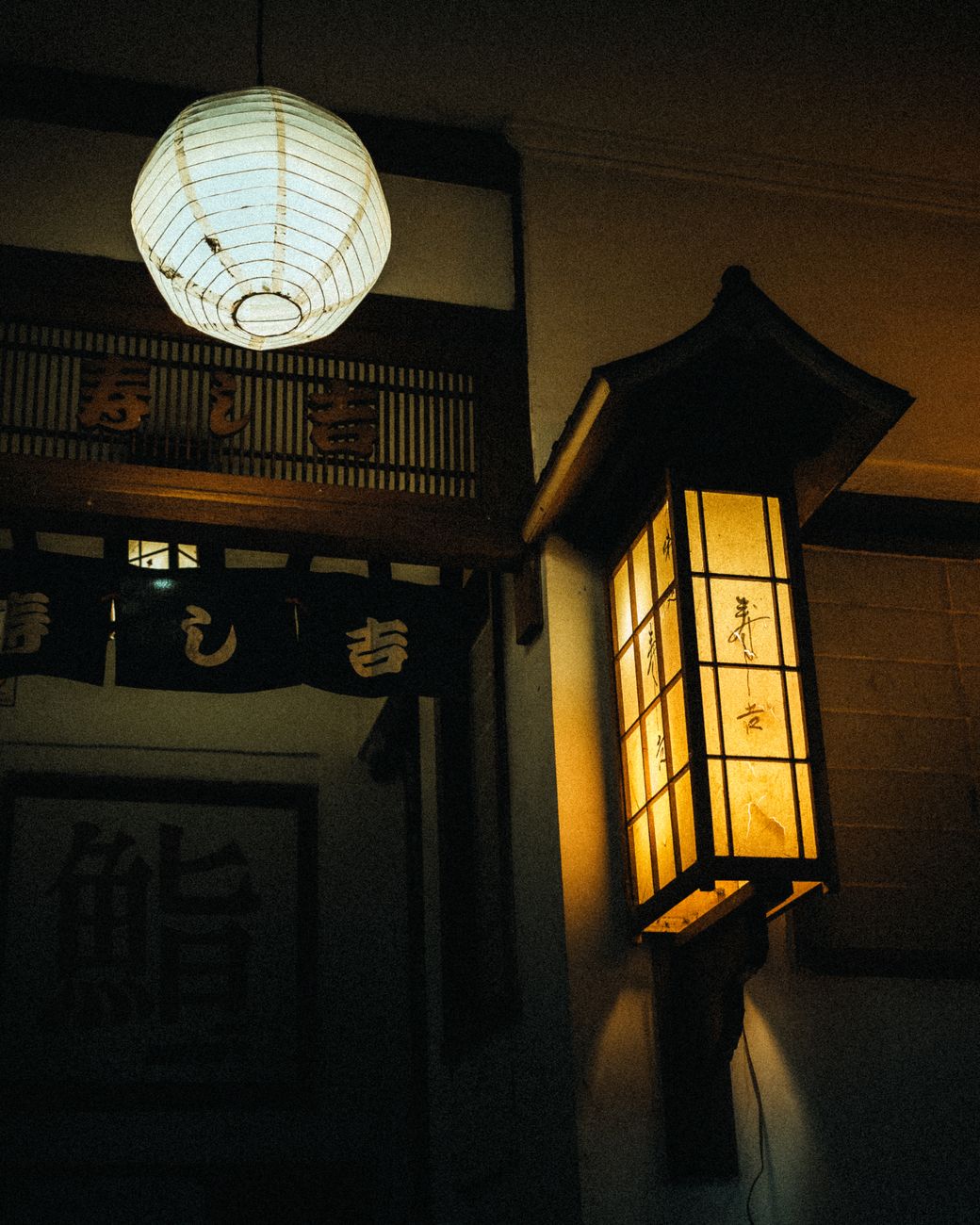
To experience Kyoto properly is to adopt a quieter register of speech. In the narrow alleys of Gion and Nishijin, the architecture itself demands contemplation. Built from interlocking cedar, tatami rush, and earthen plaster, the traditional machiya (merchant townhouse) breathes with the seasons, cooling its inhabitants during humid summers and holding subtle warmth when winter snow dusts the tile roofs.
The Aesthetics of In-Praise-of-Shadows
Long before electric illumination transformed cityscapes, Jun'ichirō Tanizaki articulated Japan's reverence for indirect light. In a restored townhouse, there are no harsh overhead bulbs. Instead, light filters softly through shoji screens made of mulberry paper, illuminating lacquer bowls with a warm amber halo.
As night arrives, sliding screens allow the interior to adjust effortlessly, shifting from study to dining room and finally into a tranquil tatami bedchamber fragrant with dried igusa grass.
“A traditional machiya is not merely a residence; it is an acoustic instrument tuned to rainfall, wind in the bamboo, and distant temple bells.”
The Microcosm of Tsuboniwa Courtyards
At the center of each deep residence lies the tsuboniwa—a miniature courtyard garden scarcely larger than a dining table. Here, three moss-covered stones, a stone water basin (tsukubai), and a solitary Japanese maple evoke an entire alpine valley.
Sitting on the polished cedar engawa veranda with a cup of shaded Uji gyokuro green tea, one observes water trickling from a split bamboo pipe. In this minuscule pocket of nature, the noise of modern urbanity completely evaporates.
Modern Protectors of Traditional Craft
While many machiya fell to modern redevelopment in previous decades, a devoted cadre of young architects, carpenters, and cultural historians is now revitalizing these structures. By integrating subtle radiant heating and unobtrusive seismic reinforcements, they have proven that ancient vernacular buildings can offer an unparalleled quality of modern domestic life.